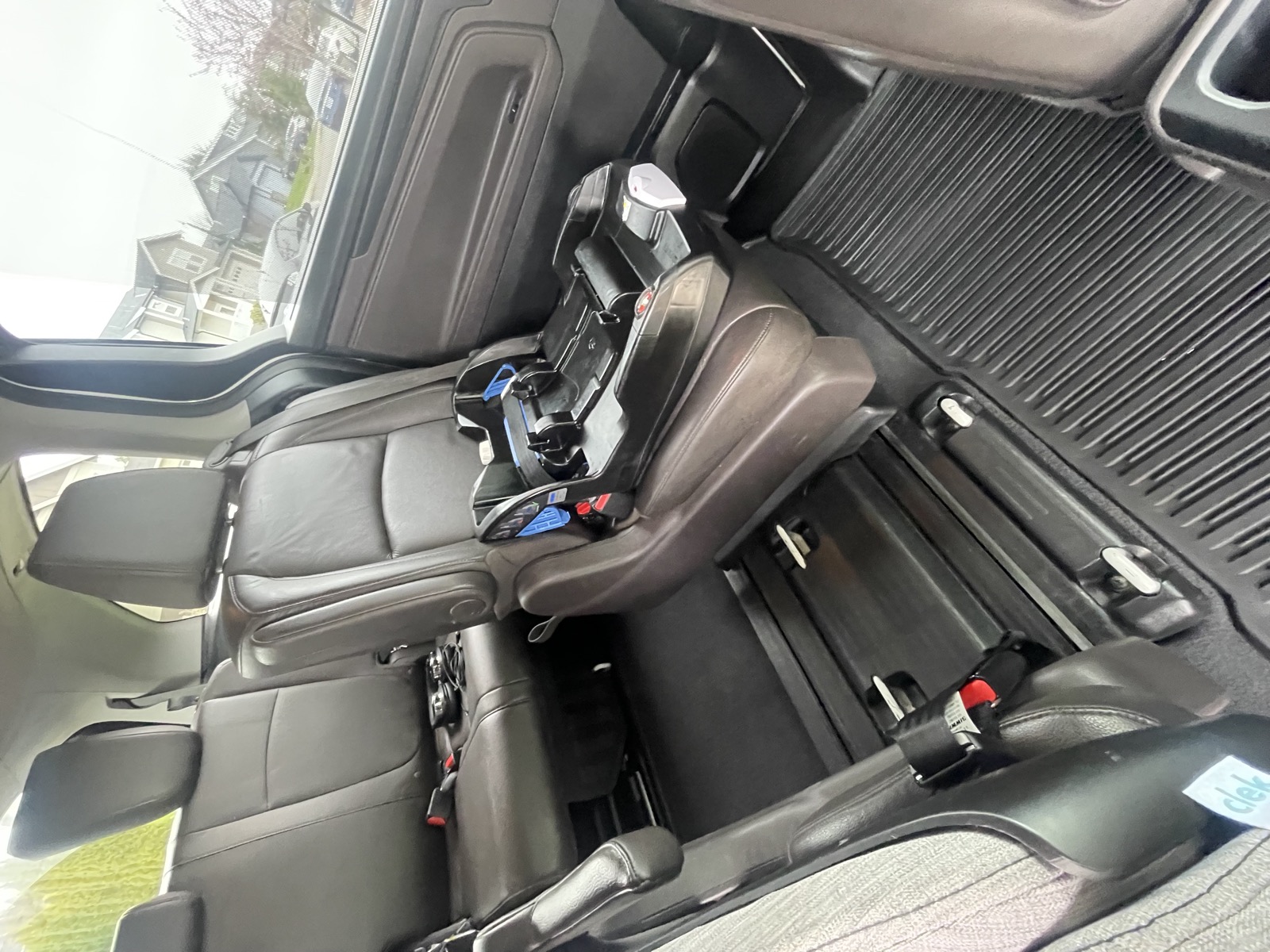
Leather looks great when it's new. But without regular conditioning, it dries out, fades, and cracks — and by the time you notice, the damage is already done. Most people don't think about leather care until they see a split seam or a seat that looks ten years older than the car it's in. At that point, you're not conditioning leather anymore — you're trying to rescue it.
Here's what's actually happening to your leather, and why conditioning it isn't just about looks.
What Leather Conditioning Actually Does
Leather is a natural material. It was once skin, and like skin, it needs moisture to stay flexible and intact. When you condition leather, you're replenishing the oils and fats that keep the fibers soft and pliable. Without them, leather becomes stiff, brittle, and prone to cracking.
A quality conditioner does three things:
- Restores moisture lost from heat, UV exposure, and everyday use
- Creates a protective barrier against spills, sweat, and friction
- Maintains flexibility so the leather can move without cracking at stress points like seat bolsters and headrests
The result isn't just a shinier seat — it's leather that lasts. A well-conditioned interior can look sharp for the life of the vehicle. Neglected leather rarely recovers fully once the cracking starts.
Signs Your Leather Needs Attention
If you're not sure whether your leather needs conditioning, look for these warning signs:
- Seats feel dry or slightly rough when you run your hand across them
- Color looks faded, especially in high-sun areas like the dash and headrests
- Crease lines are starting to appear where the leather folds
- You notice a faint cracking or flaking on older stress points
- The leather has lost its subtle sheen and looks dull
Any one of those is a signal to act. Two or more means you're already behind.
How Often Should You Condition Leather?
As a rule of thumb: every 3 to 6 months, depending on how much sun exposure your interior gets and how often the vehicle is used. Vehicles that sit in the sun regularly — or that get heavy daily use — need conditioning on the shorter end of that range.
In the Pacific Northwest, the bigger threat is actually temperature swings. Cold wet winters followed by warm summers put real stress on leather. The leather contracts and expands, and without moisture in the fibers, that movement causes micro-cracking over time.
Professional vs. DIY Conditioning
You can buy a conditioner at any auto parts store, and doing something is better than doing nothing. But there's a meaningful difference between a quick wipe-down with a consumer product and a professional leather conditioning service.
The difference comes down to preparation and product. Professional conditioning starts with a proper clean — removing the surface grime, body oils, and residue that prevent the conditioner from penetrating. If you condition over dirty leather, you're sealing the dirt in and the conditioner stays on the surface rather than absorbing into the fibers.
The products matter too. Professional-grade conditioners penetrate deeper and last longer than most retail options. When it's done right, you can feel the difference immediately — the leather has a soft, supple quality instead of that slightly tacky finish you sometimes get from over-the-counter products.
The Resale Value Connection
Leather interior condition is one of the first things a buyer or appraiser looks at. A cracked, faded interior is nearly impossible to fully restore and immediately drops perceived value. Well-maintained leather, on the other hand, signals that the vehicle was taken care of — which affects everything from private sale price to trade-in offers.
If you're planning to sell or trade in the vehicle in the next few years, a consistent conditioning routine is one of the simplest, highest-return things you can do to protect that value.
What We Do at Pinnacle Auto Detail
Leather conditioning is available as an add-on to any interior or full detail service. We start with a thorough leather clean to remove surface contaminants, then apply a professional-grade conditioner that works into the fibers — not just the surface. The result is leather that looks restored and feels noticeably softer.
It's one of those services where clients almost always say they wish they'd done it sooner.
If your leather is looking dull, feeling dry, or you just can't remember the last time it was conditioned — text Mike and we'll take care of it. We come to you anywhere in Whatcom County.